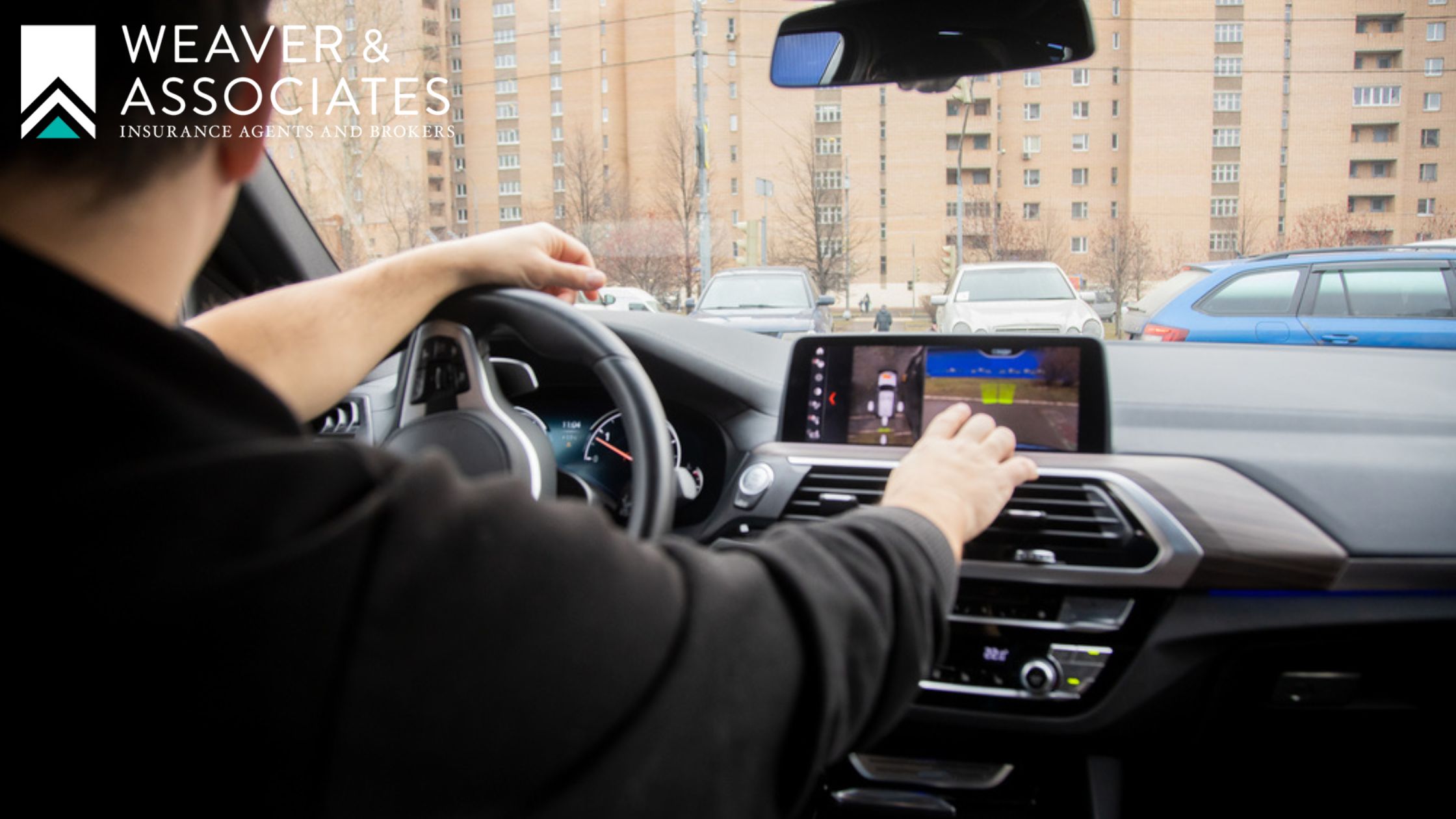


Electric vehicles (EVs) are becoming an increasingly familiar sight across Southern California. With their quiet operation, advanced technology, and potential fuel savings, EVs offer drivers an alternative to traditional gasoline-powered vehicles. But owning an EV also comes with insurance considerations that may differ from those for conventional cars.
If you own or are considering an electric vehicle in Los Angeles County, the Inland Empire, or another Southern California community, understanding EV auto insurance coverage can help you make informed decisions and avoid unexpected costs.
At Weaver & Associates Insurance Agents and Brokers, we help local drivers understand their coverage options and choose insurance that fits their vehicles, driving habits, and financial needs.
Does an EV Need Special Auto Insurance?
Generally, electric vehicles are insured under standard personal auto insurance policies. You still need liability coverage and may choose physical damage coverage such as comprehensive and collision.
However, the cost of insuring an electric vehicle can differ from that of a comparable gasoline-powered vehicle. Insurers consider factors such as the vehicle’s model, repair costs, claims history, safety features, location, and driving record when determining premiums.
California requires drivers to maintain financial responsibility. The California Department of Insurance states that liability insurance is the most common way to meet this requirement.
1. Liability Coverage Still Matters
EV owners have the same basic liability responsibilities as other California drivers. Liability coverage helps pay for injuries or property damage you cause to another person in an accident.
California’s current minimum liability limits for standard auto policies are:
- $30,000 for bodily injury or death of one person
- $60,000 for bodily injury or death of two or more people
- $15,000 for property damage
These are minimum requirements, not necessarily recommended coverage levels.
Because a serious accident can quickly exceed minimum limits, Southern California EV owners may want to discuss higher liability limits with an insurance professional.
2. Comprehensive and Collision Coverage Can Be Important
EVs can represent a significant financial investment, making physical damage coverage worth considering.
Collision coverage may help pay for damage to your EV resulting from a covered collision, while comprehensive coverage may help with non-collision losses such as theft, fire, vandalism, falling objects, or certain weather-related damage.
The California Department of Insurance notes that comprehensive and collision coverage generally compensate for covered vehicle damage based on the vehicle’s market value, subject to policy terms and deductibles.
If you finance or lease your EV, your lender may also require these coverages.
3. EV Repairs May Be More Specialized
Electric vehicles use specialized components, including high-voltage battery systems, electric motors, and sophisticated electronics. Repairs may require technicians with specific training and equipment.
That can affect the cost of repairing a damaged EV and, consequently, the cost of insurance.
When comparing electric vehicle insurance, don’t focus solely on the premium. Consider the coverage limits, deductible, claims service, repair provisions, and available options for your particular vehicle.
4. Battery Damage Deserves Attention
The battery is one of the most important—and potentially expensive—components of an EV. A major collision, fire, or other covered event could damage the battery system.
Whether battery damage is covered depends on the circumstances and the terms of your policy. Comprehensive and collision coverage may respond to covered physical damage, but normal deterioration, mechanical breakdown, and maintenance issues generally aren’t covered under those protections.
Ask your insurance professional how your policy treats battery-related damage before you need to file a claim.
5. Charging Equipment May Need Separate Consideration
EV ownership doesn’t end with the vehicle. Many owners also invest in home charging equipment.
Your insurance needs may depend on whether the charger is permanently installed, where it is located, and what caused the damage. Homeowners insurance and auto insurance address different types of property and risks, so don’t assume one policy automatically covers every component of your EV charging setup.
If you install a home charging station, consider discussing the change with your insurance agent.
California’s growing EV infrastructure also means more drivers are using public charging stations. The California Energy Commission continues to evaluate EV charging access and infrastructure across the state.
6. Uninsured and Underinsured Motorist Coverage Is Worth Reviewing
Even though California requires financial responsibility, accidents involving uninsured or underinsured drivers can still occur.
Uninsured/underinsured motorist coverage can provide protection in certain accidents when the at-fault driver has no insurance or insufficient insurance.
The California Department of Insurance explains that this coverage is available as part of an auto insurance policy and can help protect you and your passengers in qualifying situations.
For Southern California drivers who spend considerable time commuting, reviewing these limits can be an important part of an overall EV insurance strategy.
7. Your Driving Habits Still Influence Coverage
Owning an EV doesn’t eliminate the factors that influence auto insurance premiums. Your driving history, location, annual mileage, vehicle usage, and claims history can all affect your rate.
It’s also important to notify your insurer when you purchase a new EV or make significant changes to your vehicle or household. Keeping your policy information accurate helps your insurer properly evaluate your coverage needs.
How Weaver & Associates Can Help
Choosing the right Southern California EV insurance doesn’t have to be complicated. At Weaver & Associates Insurance Agents and Brokers, we take a community-focused approach to helping drivers understand their options.
Whether you’re purchasing your first EV, replacing a gasoline-powered vehicle, or reviewing an existing policy, our team can help you evaluate liability limits, comprehensive and collision coverage, deductibles, uninsured motorist protection, and other important considerations.
Contact us today at (626) 446-6161 to review your auto insurance coverage and learn more about protecting your electric vehicle.
References
- California Department of Insurance – Automobile Insurance Guide
- California Department of Insurance – Automobile Coverage Limits
- California DMV – Financial Responsibility
Frequently Asked Questions
1. Is EV insurance more expensive than regular car insurance?
It can be, but not always. Premiums depend on factors including the EV model, repair costs, driving history, location, coverage limits, and other rating factors.
2. Does auto insurance cover an EV battery?
Coverage depends on the cause of damage and policy terms. Collision or comprehensive coverage may apply to covered physical damage, while normal wear and deterioration generally aren’t covered.
3. Does homeowners insurance cover an EV charging station?
It depends on the equipment, installation, location, and cause of damage. Ask your insurance professional whether your homeowners coverage adequately addresses a permanently installed charger.
4. Should EV owners carry more than California’s minimum auto insurance?
Minimum limits satisfy the legal requirement but may not provide enough protection after a serious accident. Discuss your assets and potential liability exposure with an insurance professional before selecting limits.